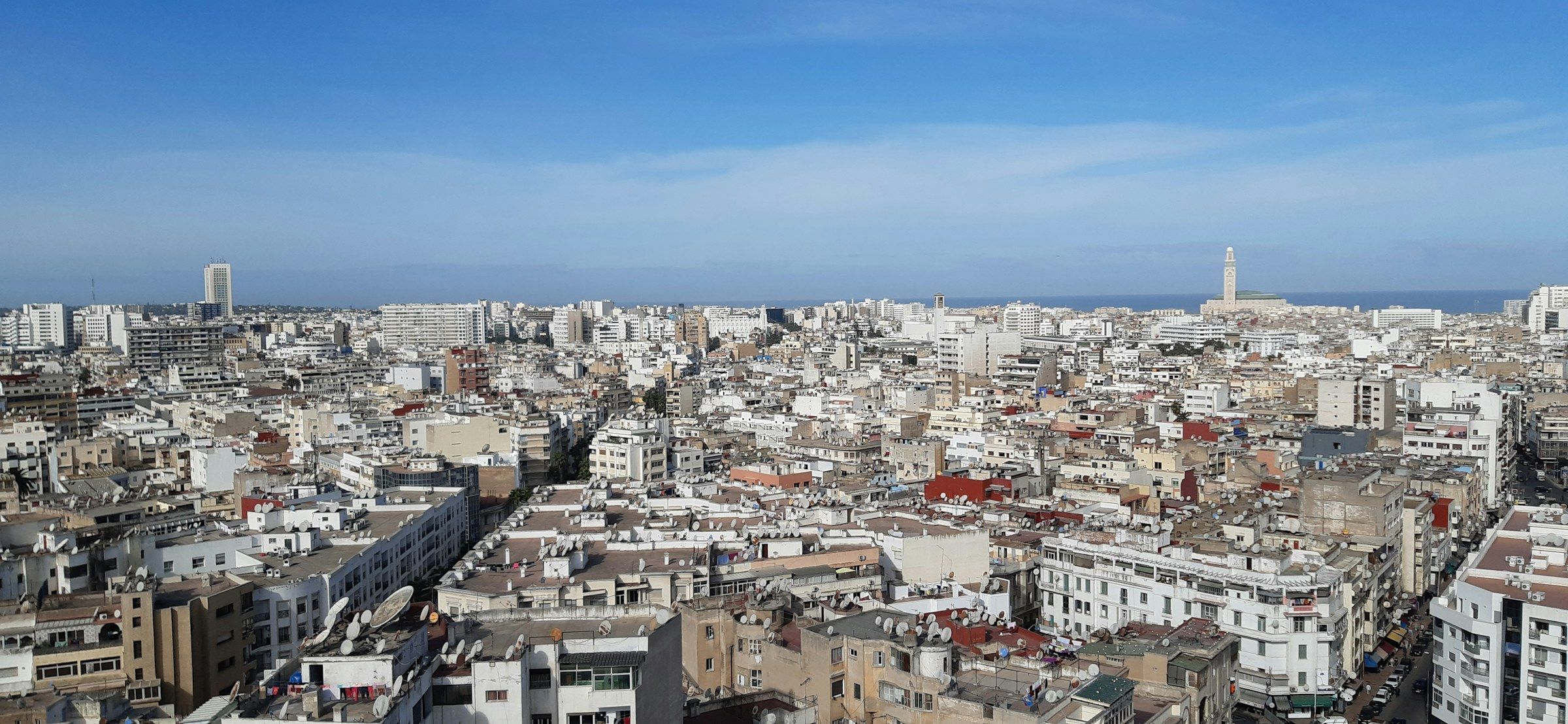
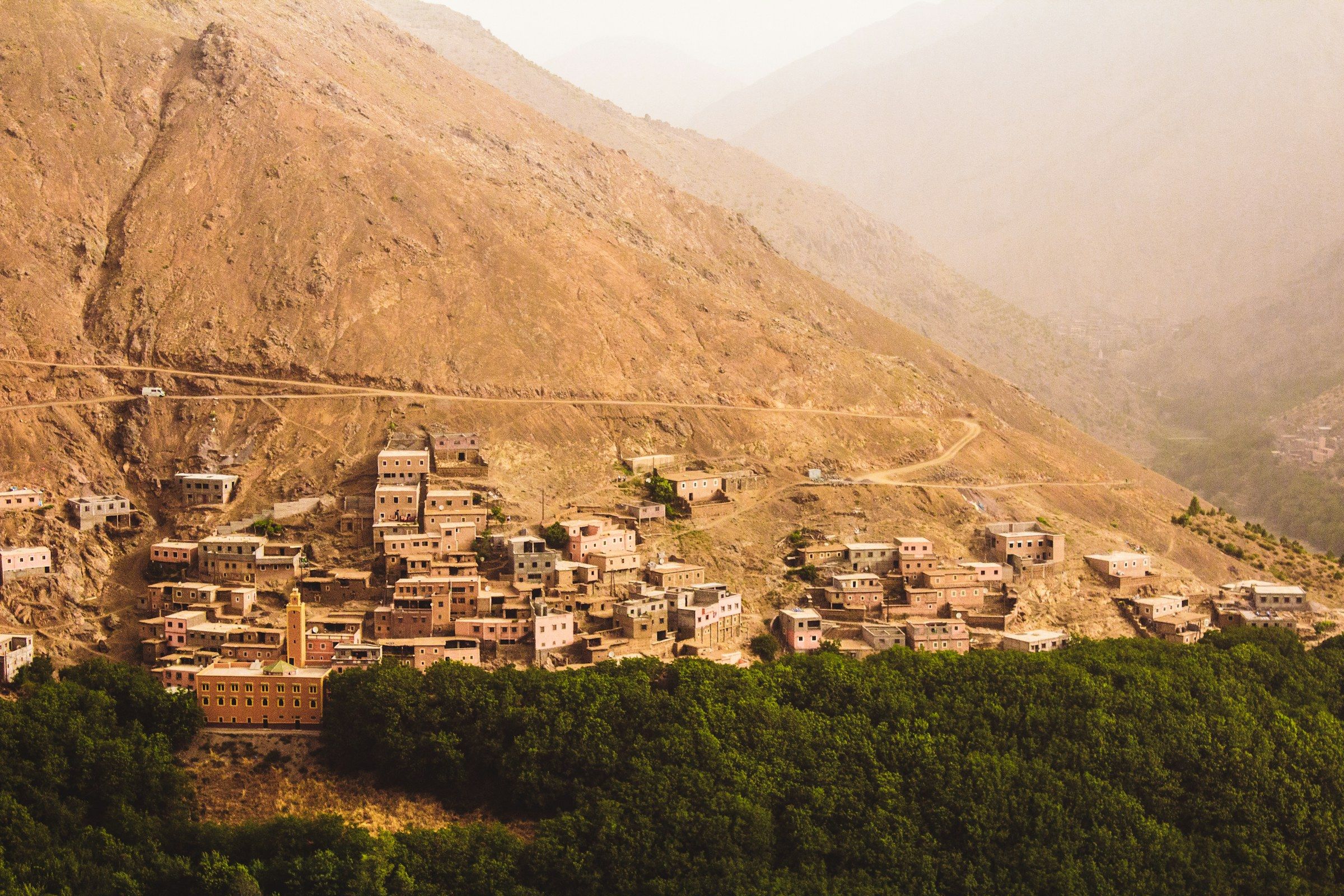
Old medinas and buildings at risk: protecting residents and heritage
Buildings at risk of collapse and old medinas: the work led by Fatima Ezzahra El Mansouri from 2021 to 2026 to protect families and Morocco’s urban heritage.
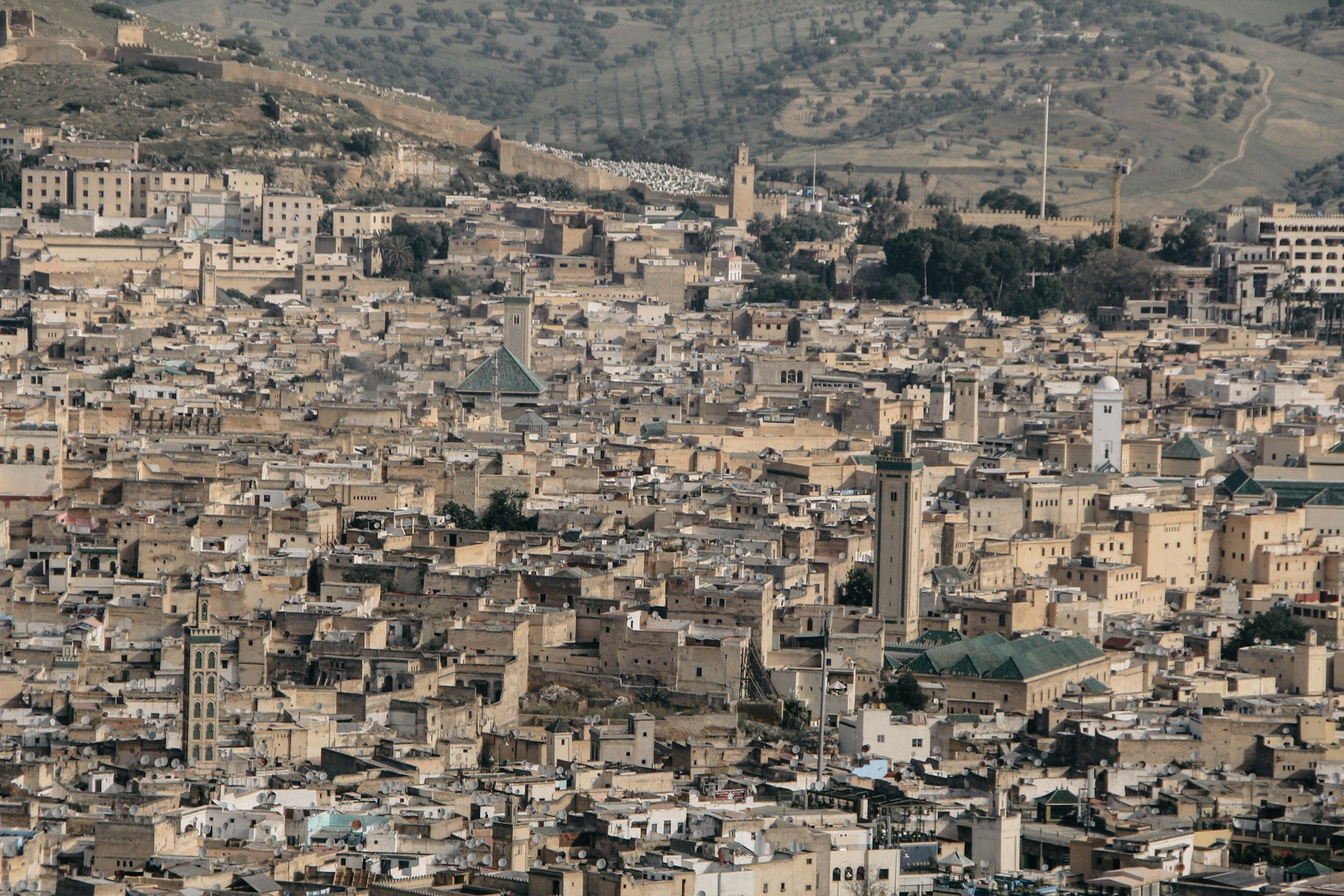
In Morocco’s old medinas and historic urban districts, thousands of families live in fragile buildings. From 2021 to 2026, the ministry led by Fatima Ezzahra El Mansouri pursued two complementary goals: keeping these residents safe and preserving an urban heritage that lies at the heart of Morocco’s identity.
Identify, classify, act
To act on buildings at risk of collapse, you first need to know where they are. The National Agency for Urban Renewal and the Rehabilitation of Buildings at Risk of Collapse (ANRUR), which operates under her ministry, adopted a 2022-2026 vision to identify and classify these buildings in every region of the Kingdom. Fatima Ezzahra El Mansouri presented this vision to the House of Representatives; the work began with Casablanca, Rabat-Salé, Essaouira, Tétouan, Marrakech and Fès.
By June 2026, the national inventory had recorded 53,728 buildings, 28,000 of which had already undergone a technical assessment. This diagnostic work helps target interventions where they are needed.
On the ground, 16,466 dwellings at risk of collapse were treated during the term and 31,957 households helped, according to figures from April 2026. This work complements the Cities Without Slums programme, which rehoused 81,809 households over the same term.
Old medinas, a living heritage
As the historic hearts of Moroccan cities, the old medinas combine exceptional heritage with real safety challenges. In May 2023, in a reply to the House of Councillors read on her behalf, Fatima Ezzahra El Mansouri reported that 16 of the country’s 32 old medinas had approved development and rehabilitation plans, and that 17 architectural and landscape charters had been completed. These charters guide architecture and the urban landscape so that restoration work respects the character of each place. The built environment and the urban landscape were also one of the four themes of the National Dialogue on Urban Planning and Housing, launched on 16 September 2022.
Priority royal programmes cover the medinas of Casablanca, Rabat, Salé, Essaouira, Tétouan, Marrakech, Fès and Meknès, among others. In total, more than 6 billion dirhams were allocated to the rehabilitation of old medinas between 2014 and 2024.
Marrakech: the medina, day to day
In Marrakech, where she has again been mayor since September 2021, these issues take a very concrete form. As early as 2014, the “Marrakech, City of Permanent Renewal” programme, launched by His Majesty King Mohammed VI during her first term, provided for the restoration of the ramparts and historic gates. Over the current term, the city’s housing record combines urban upgrading for 7,479 households and the rehousing of 5,658 households with continued work on buildings at risk of collapse.
After the earthquake of 8 September 2023, the city addressed 2,416 damaged buildings, with works completed on 2,033 of them, close to 89%. In the medina, 94 million dirhams were mobilised to restore 36 traditional guest houses. Across the affected areas, the reconstruction specifications drawn up by her ministry combine seismic standards with respect for the region’s architectural identity.
Jemaa el-Fnaa square is undergoing rehabilitation and enhancement works, whose progress the mayor reviewed on site on 8 December 2024. The medina’s streets, drainage networks and historic gates are also being upgraded. In June 2026, she launched a heritage interpretation centre at Bab Aghmat, alongside the Agdal Ba Ahmed historic garden, which covers about 9 hectares. The city also relies on an architectural charter, a building charter and rules on façades and colours, a common thread in her work in Marrakech. She summed up her approach in July 2025:
“We have modernised Marrakech without renouncing its soul”
Fatima Ezzahra El Mansouri, interview with Médias24, July 2025 (translated from French)
An ambition for 2027-2031
The PAM’s 2027-2031 programme pledges to rehabilitate 20,000 buildings in the medinas, to traditional architectural and aesthetic standards. This commitment is part of a broader goal: helping 500,000 households reach decent housing over 2027-2031. The government programme will be presented to Parliament once the government is formed. These priorities are set out in her vision.
In her campaign address, she recalled what public service means to her:
“Serving people is not a passing season, nor a stage, nor a choice open to revision. It is a daily commitment.”
Fatima Ezzahra El Mansouri, from her campaign address, September 2026
Sources
- MAP, “A 2022-2026 vision for buildings at risk of collapse” (opens in a new tab)
- Médias24, “Housing: the April 2026 figures” (opens in a new tab)
- TelQuel, “Direct housing aid: more than 105,000 beneficiaries” (opens in a new tab)
- TelQuel, “16 of 32 medinas covered, according to El Mansouri” (opens in a new tab)
- H24info, “Over MAD 6bn for the rehabilitation of old medinas” (opens in a new tab)