Authenticity and Modernity Party

The PAM: Morocco’s largest party and its programme to change course

Founded in 2008, the Authenticity and Modernity Party came first in the legislative elections of 23 September 2026, for the first time in its history, with 97 of 395 seats. Its 2027-2031 programme sets out five charters and twenty measurable commitments.

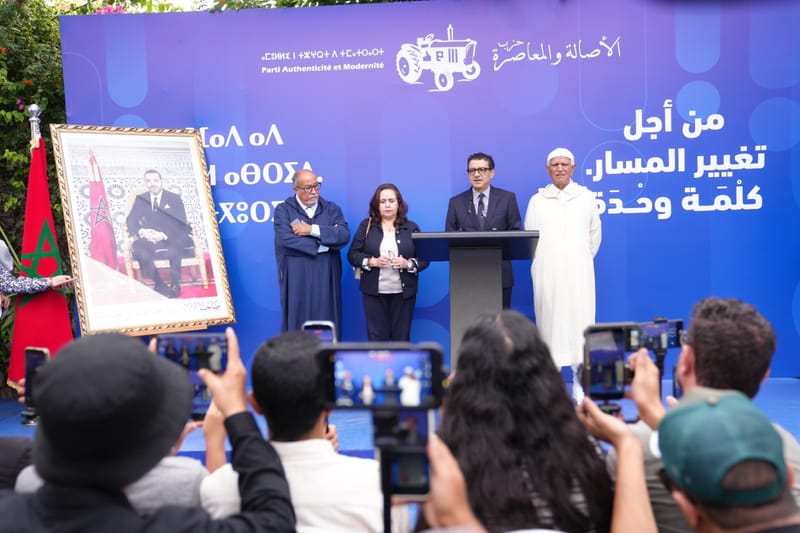
Meeting at the PAM headquarters in front of the King’s portrait and the “To change course” banner
At the PAM headquarters, during the government-formation consultations, 1 October 2026. Photo: pam.ma (opens in a new tab)
2008Year the party was founded
97 / 395Seats in the House of Representatives, the largest party
1,065,371Votes on the regional lists, the only party above one million
20Measurable commitments for 2027-2031, costed at 350 billion dirhams

Authenticity and modernity

The Authenticity and Modernity Party was founded in August 2008, bringing together several parties and the Movement for All Democrats, launched a few months earlier. Its name sums up its project: attachment to the Nation’s constants and to Moroccan identity, combined with an ambition for democratic, economic and social modernisation.

In under twenty years, the PAM has become one of the Kingdom’s main political forces: first in the 2009 and 2015 local elections, second in the 2016 and 2021 legislative elections, part of the governing majority since 2021, and the country’s largest party in 2026. Internationally, it has been a member of Liberal International since 2024.

Since February 2024 it has been run by a collegial leadership coordinated by Fatima Ezzahra El Mansouri, a founding member of the party. It is a deliberate choice to reduce the personalisation of power and to decide by consensus.

“A decision taken by consensus is just as democratic as a vote”

Fatima Ezzahra El Mansouri, on the collegial leadership, Médias24, February 2024 (translated from French)
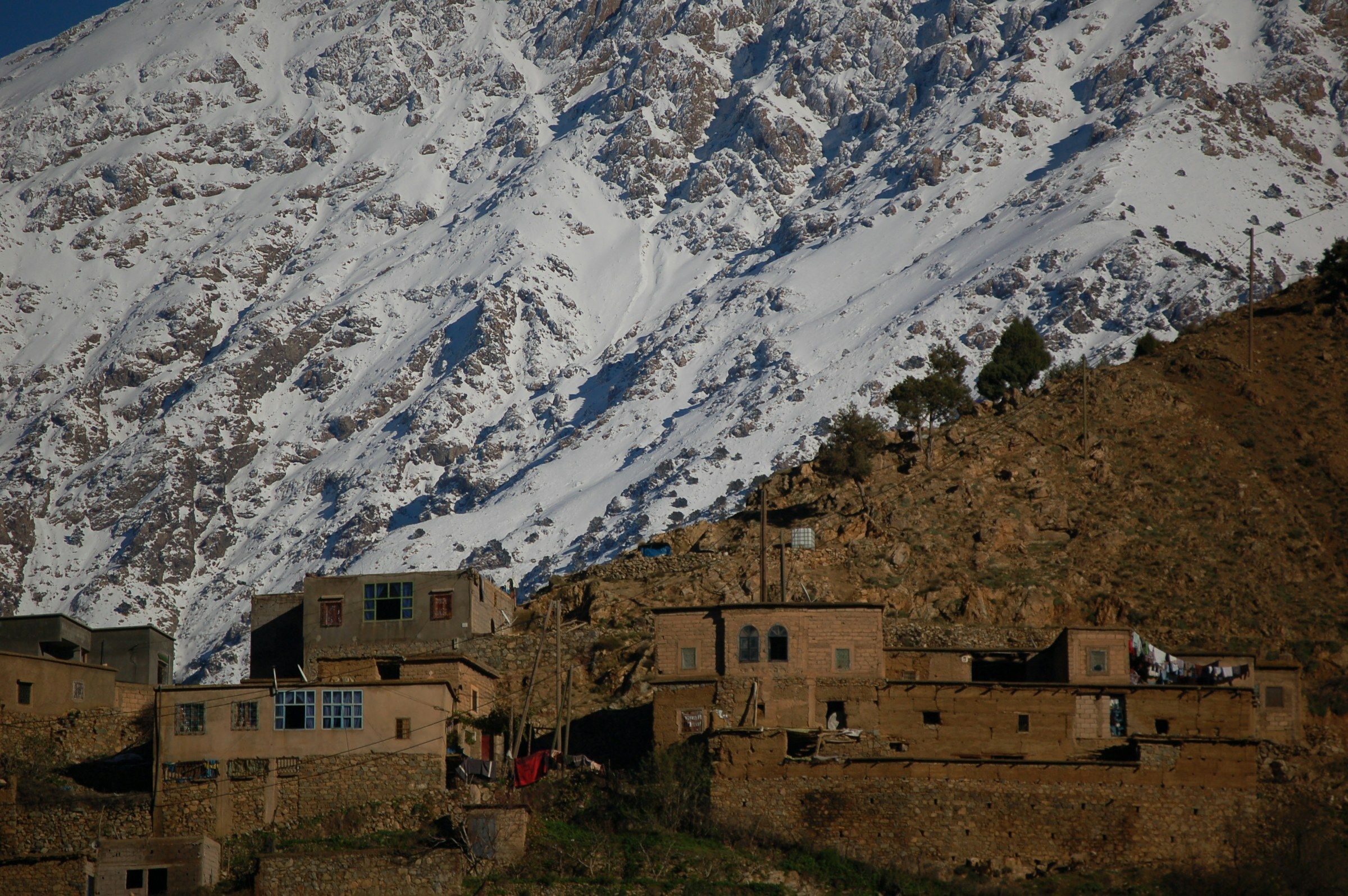
A mountain village below the snow-capped peaks of the Atlas
Photo: Paul Macallan / Unsplash (opens in a new tab)

What the party stands for

Four reference points that recur in the party’s texts and in its 2027-2031 programme.

  1. The Nation’s constants

    Attachment to the constitutional monarchy, territorial integrity and Morocco’s plural identity, including faster implementation of the official status Amazigh has held since 2011.

  2. Democracy and modernity

    Strong institutions, political life open to women and young people, and a state that modernises its services, including digital ones.

  3. A social state that delivers

    Purchasing power, pensions, direct social aid, public hospitals and schools: costed measures that citizens should feel in their daily lives.

  4. Ethics and accountability

    An ethics charter, an arbitration and ethics commission, and a political academy to train the party’s officials.

2026 elections: the PAM comes first

On 23 September 2026, Moroccans elected the 395 members of the House of Representatives. An absolute majority requires 198 seats; no party reached it alone.

Majority: 19897395 seats
Seats by party, final results
PAM97
RNI66
Istiqlal65
PJD54
MP29
USFP26
PPS19
UC17
MDS8
Left Alliance8
Other parties6

Other parties: Front of Democratic Forces (2 seats), Equity Party (2), Neo-Democrats Party (1) and Party of Unity and Democracy (1). In all, fourteen parties are represented in the House.

PAM seats in the last four general elections

201147
2016102
202187
202697

PAM local seats: the top six regions

  • Casablanca-Settat14
  • Fès-Meknès11
  • Rabat-Salé-Kénitra10
  • Marrakech-Safi10
  • Oriental8
  • Tanger-Tétouan-Al Hoceïma8

Seats won by the PAM in local constituencies (305 seats in all), by region. Source: LesEco.

From 2008 to 2026

The milestones of a young party that went from its founding to leading the government in eighteen years.

  1. 2008

    The party is founded

    The PAM is created in August 2008, growing out of the Movement for All Democrats through the merger of several parties.

  2. 2009

    First in the local elections

    Less than a year after its founding, the PAM comes first in the local elections of 12 June 2009, with 6,015 of 27,795 seats. In Marrakech, the head of its list, Fatima Ezzahra El Mansouri, becomes the city’s first woman mayor.

  3. 2011

    In opposition

    In the elections of 25 November 2011, the first held under the new Constitution, the PAM wins 47 seats and comes fourth. It sits in opposition until 2021.

  4. 2015

    First again

    In the local elections of 4 September 2015, the PAM again comes first in seats won, with 6,655 councillors.

  5. 2016

    Second-largest party

    In January, its 3rd congress, in Bouznika, elects Ilyas El Omari secretary-general. On 7 October, the PAM wins 102 seats and becomes the country’s second-largest party.

  6. 2020

    4th congress

    Meeting in El Jadida from 7 to 9 February, the 4th national congress elects Abdellatif Ouahbi secretary-general.

  7. 2021

    In government

    With 87 seats in the elections of 8 September, the party joins the majority and takes several ministries, including Housing, Justice and Culture.

  8. 2024

    Collegial leadership

    In February, the 5th congress, in Bouznika, replaces the single secretary-general with a collegial leadership. On 11 May, the National Council adopts an ethics charter.

  9. 2025

    Jeel 2030

    On 4 March, in Rabat, the party launches Jeel 2030 / Generation 2030, a national platform for dialogue with young people.

  10. 2026

    Morocco’s largest party

    On 23 September, the PAM comes first in the legislative elections with 97 seats. On 29 September, His Majesty King Mohammed VI appoints the party’s coordinator, Fatima Ezzahra El Mansouri, Head of Government.

A collegial leadership

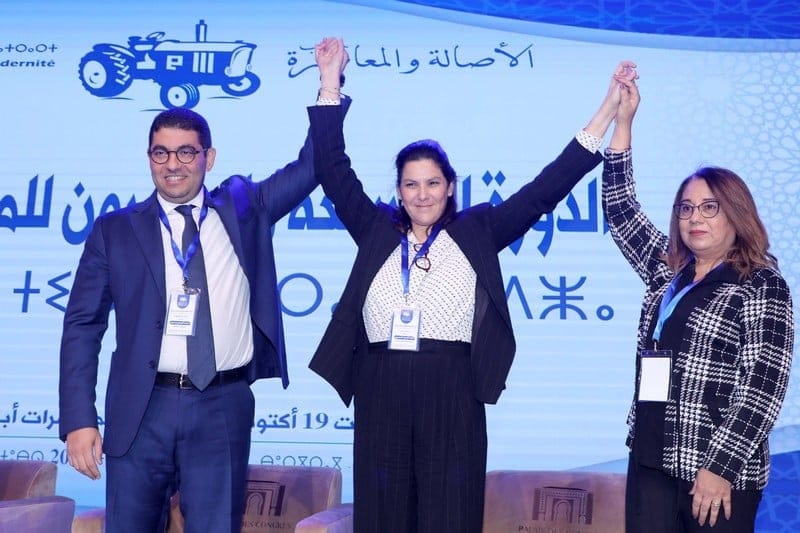
Established by the 5th national congress in Bouznika on 9 and 10 February 2024. Since the National Council elected Fatima Saâdi on 19 October 2024, it has brought together two women and one man.

Three PAM leaders on stage with raised arms at a National Council session
The PAM collegial leadership: Mohamed Mehdi Bensaid, Fatima Ezzahra El Mansouri and Fatima Saâdi, at the National Council. Photo: pam.ma (opens in a new tab)
  • Fatima Ezzahra El Mansouri

    Coordinator since February 2024

    A founding member of the party and President of its National Council from 2016 to 2024. Appointed Head of Government on 29 September 2026.

  • Mohamed Mehdi Bensaid

    Member since February 2024

    Minister of Youth, Culture and Communication since October 2021, in the outgoing government.

  • Fatima Saâdi

    Member since October 2024

    Elected by the National Council on 19 October 2024. From Al Hoceima, she has chaired the city’s communal council and was the party’s deputy secretary-general from 2020 to 2024.

Secretaries-general, 2008-2024: Hassan Benaddi, Mohamed Cheikh Biadillah, Mustapha Bakkoury, Ilyas El Omari, Hakim Benchamach and Abdellatif Ouahbi.

The 2027-2031 programme

Presented on 1 September 2026 under the slogan “To change course. One word!”: five charters, twenty measurable commitments and an estimated additional cost of 350 billion dirhams over five years.

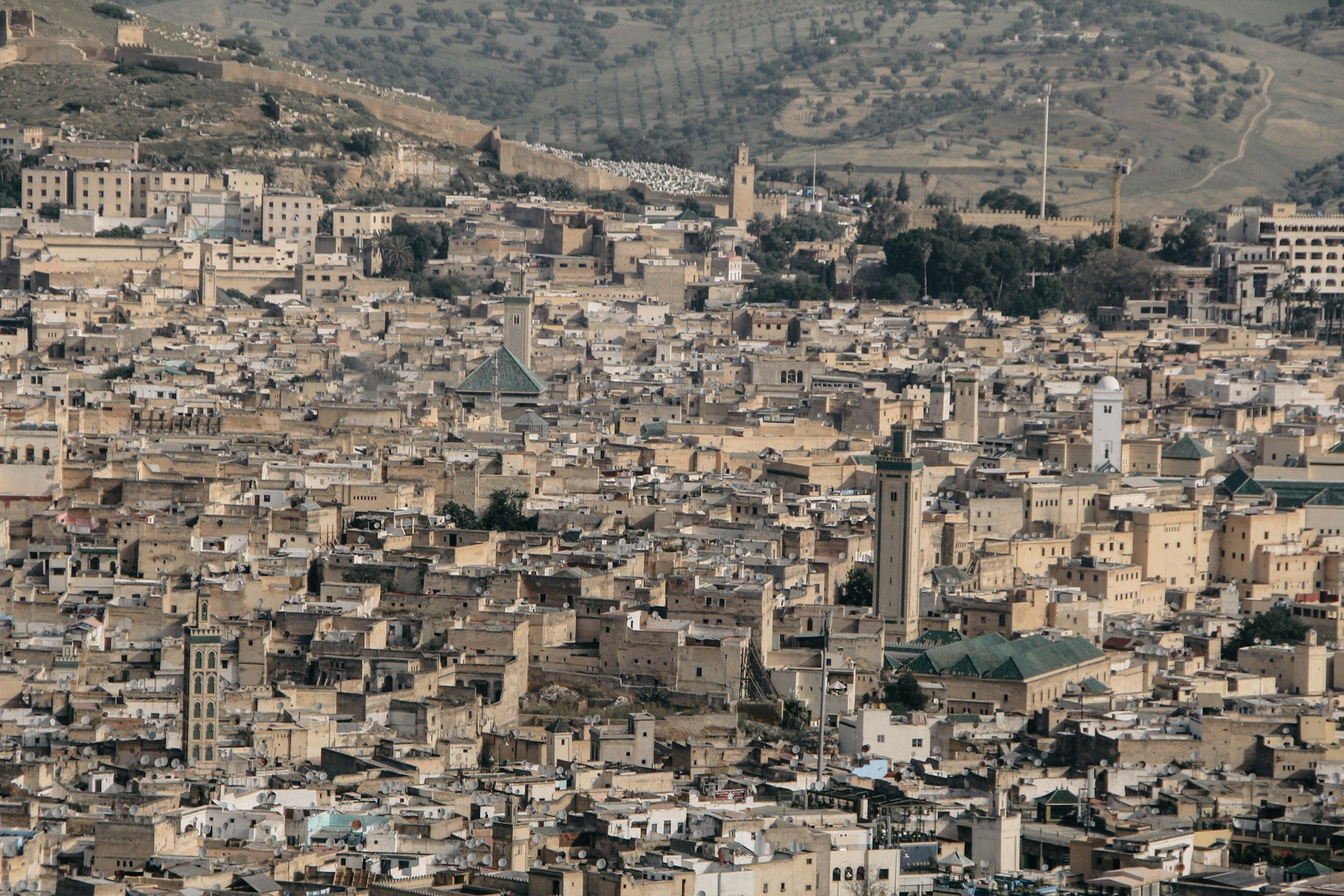
Panoramic view of the Fès medina
150 billion dirhams

Purchasing Power Charter

  • Bringing staple prices back to normal levels
  • Free electricity bills up to 100 dirhams a month
  • Cutting income tax on wages, for greater fairness
  • No pension below 3,000 dirhams any more
  • A floor of 1,000 dirhams in direct social support
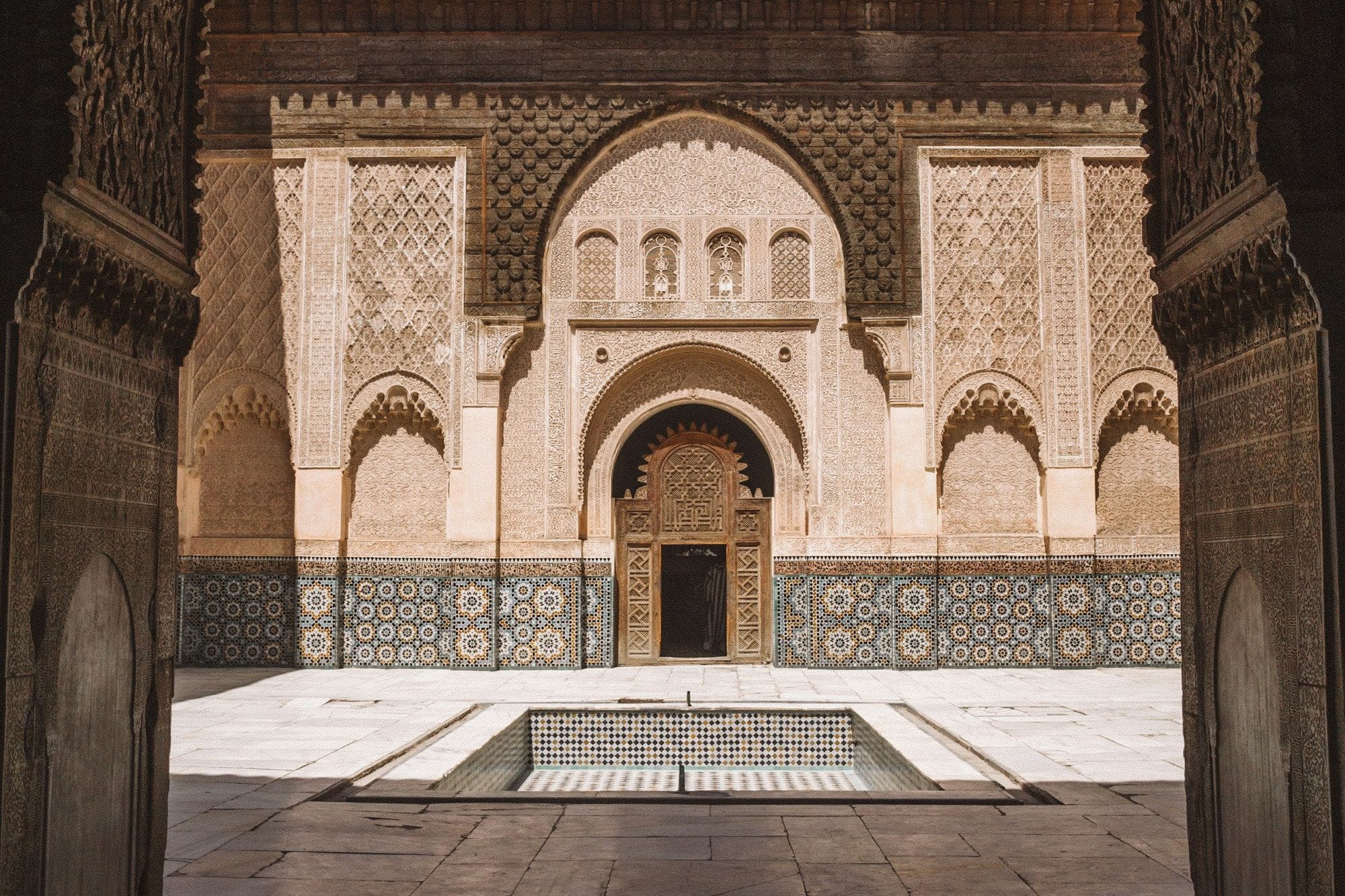
The courtyard of the Ben Youssef Madrasa in Marrakech, a former school
50 billion dirhams

Youth Integration Charter

  • Reaching young people not in education, employment or training
  • Zero school dropout without an alternative
  • A skill for every young person… and a first job contract
  • Decent working conditions
  • Housing and mobility: a public rent-guarantee fund for young people
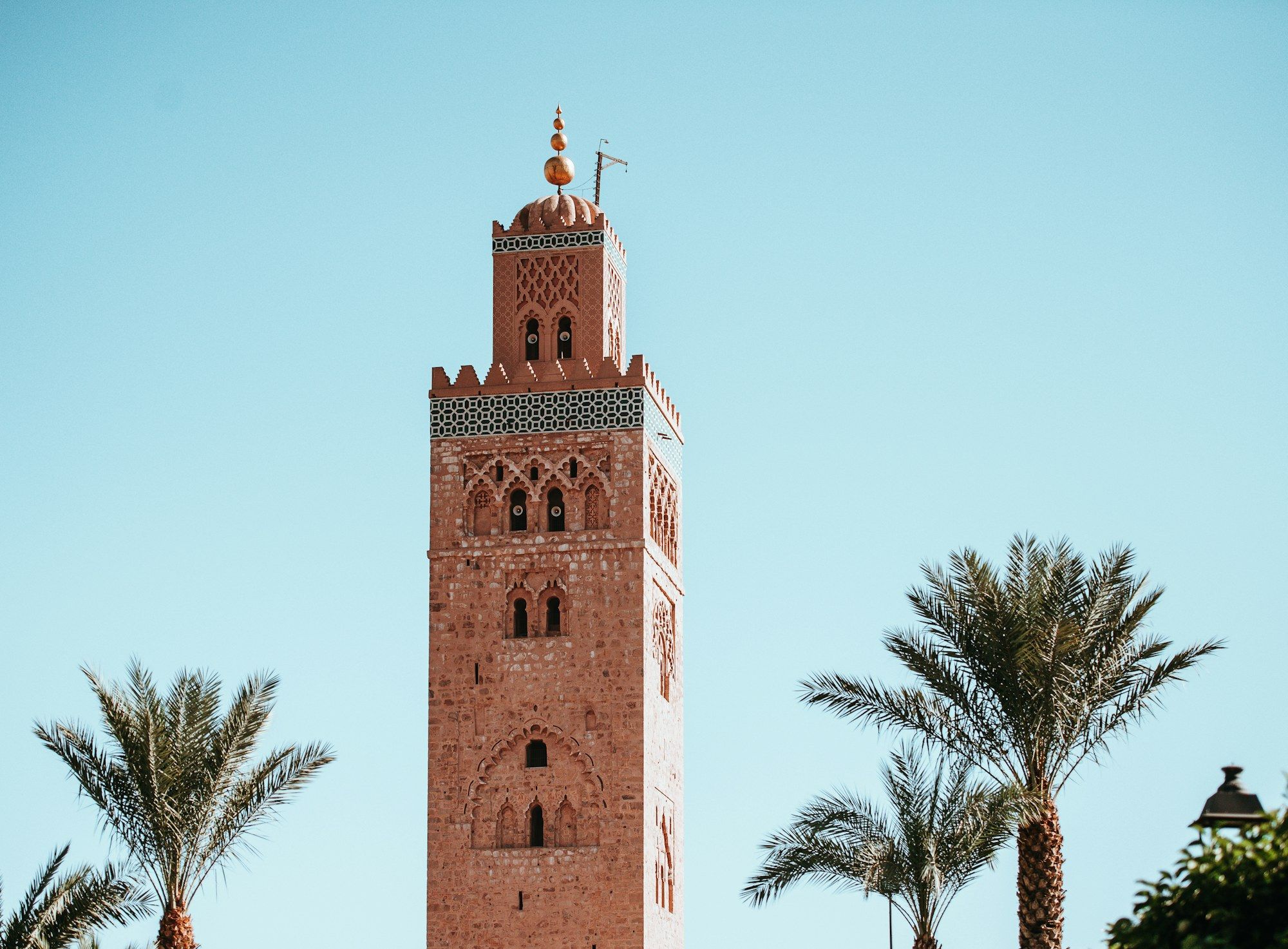
The Koutoubia minaret in Marrakech, framed by palm trees
100 billion dirhams

Citizenship Charter

  • A competitive public hospital
  • At least one million net jobs over the five-year term
  • A public school that educates, trains and prepares for the future
  • 500,000 households reach decent housing over the five-year term
  • Equal access to digital services
  • Accelerating the official status of Amazigh
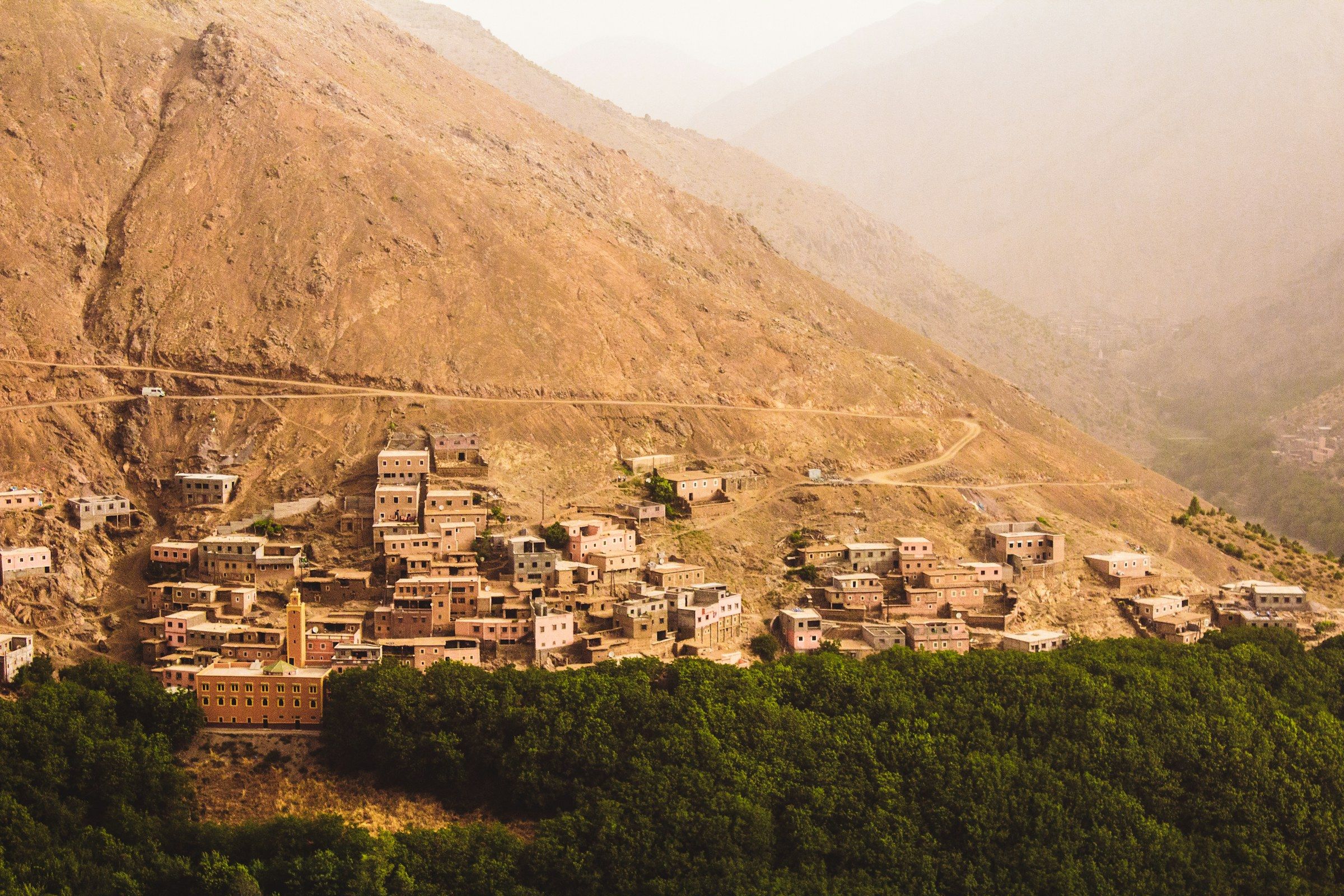
A hillside village above a green valley
50 billion dirhams

Security Charter

  • Building strategic energy security
  • Strategic water security
  • Strategic food security
  • Strategic scientific and technical security
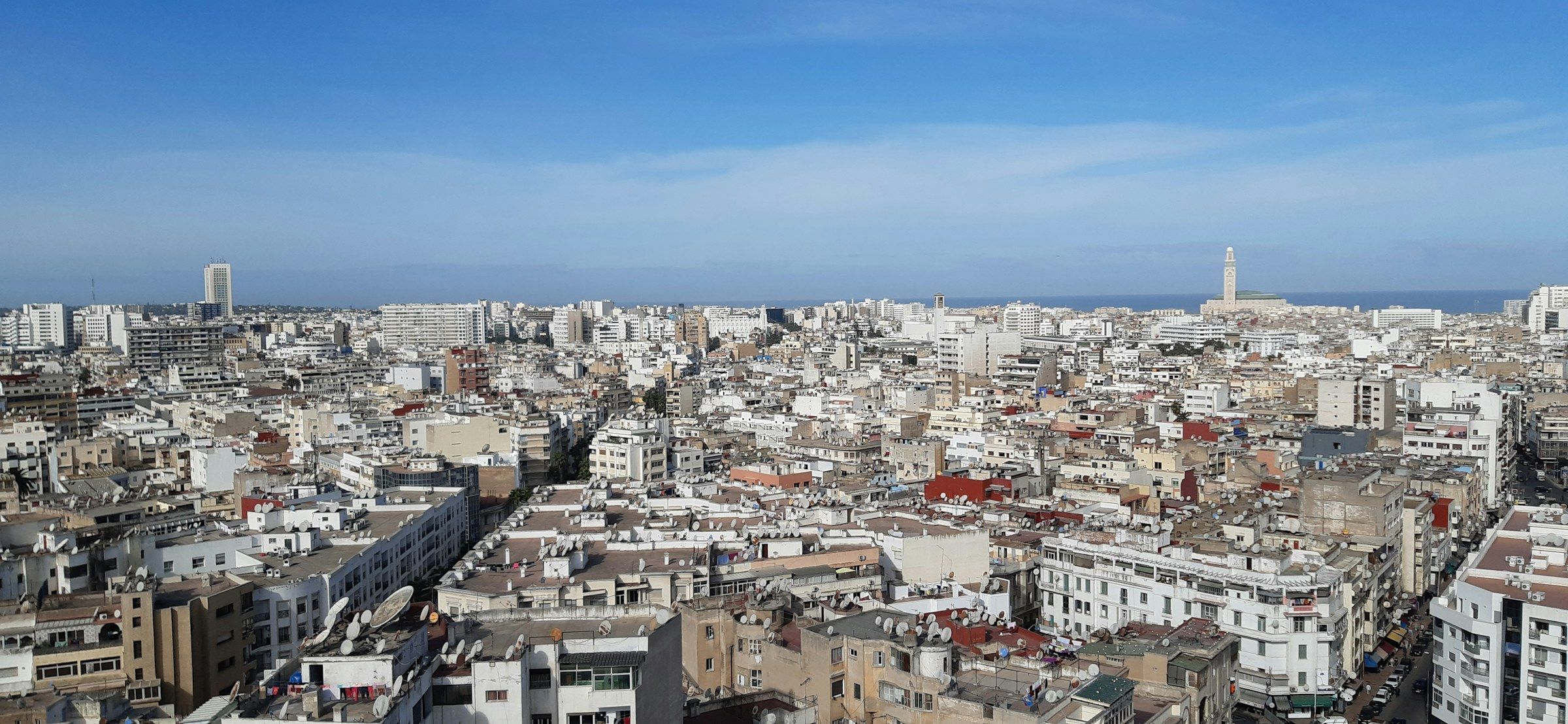
Aerial view of Casablanca, its buildings and neighbourhoods
Target: 5% growth a year

Growth and Sustainability Charter

  • At least one million net jobs
  • Unemployment down to 7% by 2031
  • Inflation capped at 2%, deficit at 3% of GDP
  • Public debt at 62% of GDP by 2031

During the campaign, Fouzi Lekjaa defended the programme’s economic choices and its financing, and Samir Belfkih presented its purchasing-power section.

Youth, ethics and training

Since 2024, the PAM has stepped up its engagement with young people. Its first Summer University took place from 19 to 21 September 2024 in Bouznika, on water scarcity, jobs, identity, digital technology and artificial intelligence.

On 4 March 2025, at the Mohammed V Theatre in Rabat, the party launched Jeel 2030 / Generation 2030, a national dialogue platform built on regional meetings, workshops and a participatory website, jeel2030.org (opens in a new tab). Its 2027-2031 programme devotes a whole charter, worth 50 billion dirhams, to integrating young people.

“We believe young people deserve a clear pathway that starts with education and runs through training and access to the job market, before they build an independent life and live with dignity.”

Fatima Ezzahra El Mansouri, interview with MAP, 21 September 2026 (translated from French)

Youth: from Jeel 2030 to “A horizon for every young person”

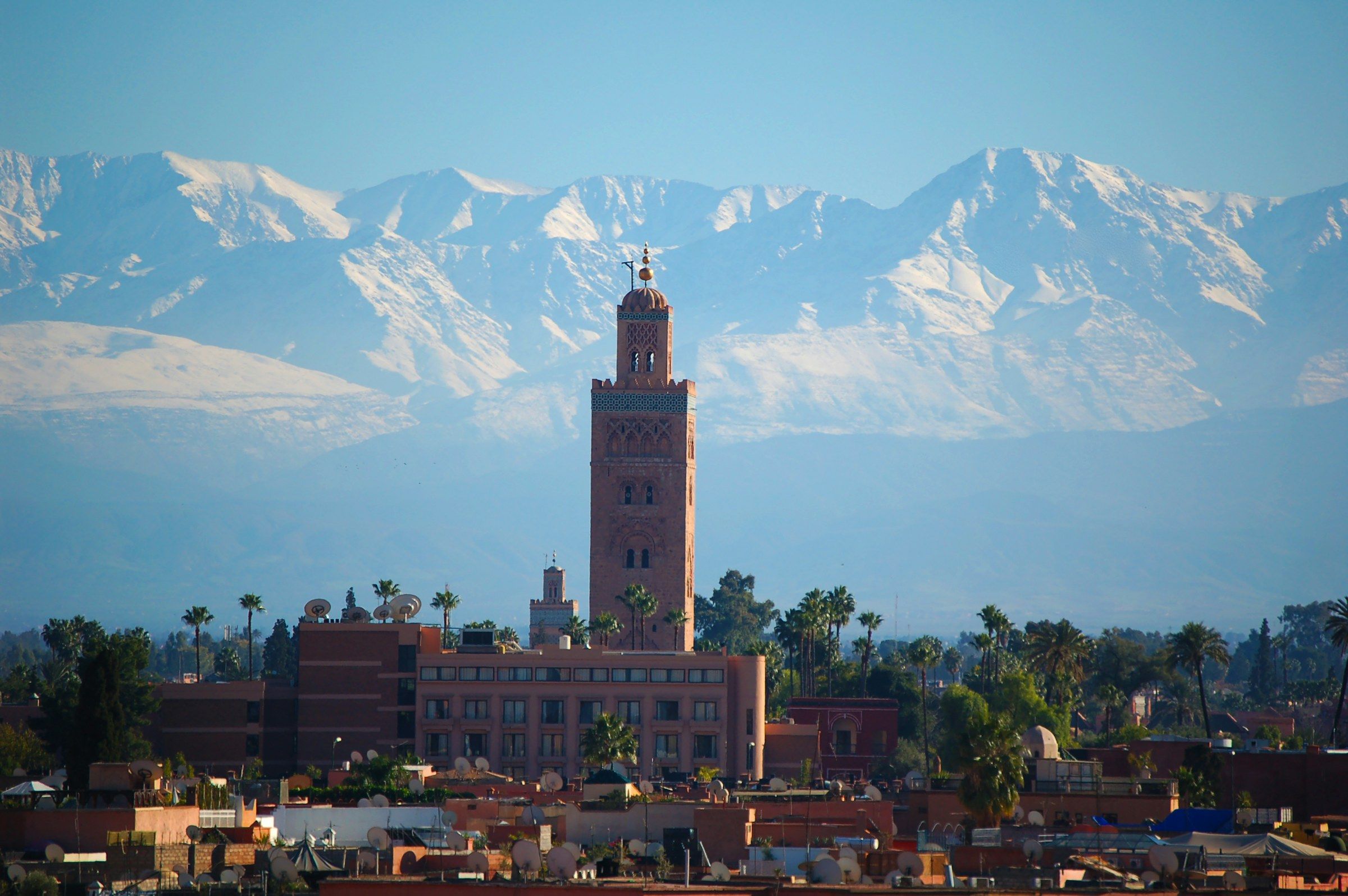
The Koutoubia minaret in Marrakech against the snow-capped peaks of the Atlas
Photo: Paul Macallan / Unsplash (opens in a new tab)

Frequently asked questions

The party, its results and its programme, in a few answers.

What is the PAM?

The Authenticity and Modernity Party (PAM) is a Moroccan political party founded in August 2008. It came first in the 2009 and 2015 local elections, and on 23 September 2026 it topped a legislative election for the first time in its history. It is a member of Liberal International.

Who leads the PAM?

Since February 2024 the party has been run by a collegial leadership. Coordinated by Fatima Ezzahra El Mansouri, it brings together Mohamed Mehdi Bensaid and, since 19 October 2024, Fatima Saâdi.

How many seats did the PAM win in 2026?

97 of the 395 seats in the House of Representatives, up from 87 in 2021, and 1,065,371 votes on the regional lists, the only party above one million. The RNI followed with 66 seats, Istiqlal with 65 and the PJD with 54.

Does the PAM have an absolute majority?

No: an absolute majority requires 198 seats. Under Article 47 of the Constitution, His Majesty King Mohammed VI appointed the coordinator of the party that came first, Fatima Ezzahra El Mansouri, Head of Government on 29 September 2026, and charged her with forming the new government.

Forming the government

What is in the 2027-2031 programme?

Presented on 1 September 2026 under the slogan “To change course. One word!”, it sets out five charters (purchasing power, youth integration, citizenship, security, growth and sustainability) and twenty measurable commitments, with an estimated additional cost of 350 billion dirhams over five years.

The programme in detail

What are its main purchasing-power measures?

The Purchasing Power Charter, worth 150 billion dirhams, plans to bring staple prices back to normal levels, make electricity bills free up to 100 dirhams a month, cut income tax on wages, ensure no pension falls below 3,000 dirhams and provide at least 1,000 dirhams of direct social support.

See the charter

How can I join the PAM?

Membership applications are made online, on the party’s official portal, inkhirat.pam.ma (opens in a new tab). Party news is published on pam.ma (opens in a new tab) and on its official social media accounts.

Follow the PAM

Online membership, party news and regional offices: visit the official channels of the Authenticity and Modernity Party.

Sources

  1. Authenticity and Modernity Party, official website (opens in a new tab)
  2. Le Brief, “From rupture to power: a history of the PAM” (in French) (opens in a new tab)
  3. Aujourd’hui le Maroc, “Final 2015 local election results: the PAM first, ahead of Istiqlal and the PJD” (in French) (opens in a new tab)
  4. TelQuel, “Fatima-Zahra Mansouri, President of the PAM National Council” (3rd congress, January 2016, in French) (opens in a new tab)
  5. Maroc.ma, “Abdellatif Ouahbi, new secretary-general of the PAM” (in French) (opens in a new tab)
  6. Liberal International, member profile of the Authenticity and Modernity Party (opens in a new tab)
  7. Médias24, “PAM: how the collegial leadership will work” (in French) (opens in a new tab)
  8. Hespress FR, “The PAM between new members, an ethics charter and messages to its critics” (in French) (opens in a new tab)
  9. Hespress FR, “Fatima Saadi elected to the PAM leadership” (in French) (opens in a new tab)
  10. Médias24, “Who is Fatima Saâdi?” (in French) (opens in a new tab)
  11. Maroc.ma, “2026 legislative elections: PAM leads with 97 seats” (opens in a new tab)
  12. Yabiladi, “Final results confirm the PAM’s victory” (in French) (opens in a new tab)
  13. Le Brief, “2026 elections in Morocco: final results and elected members” (in French) (opens in a new tab)
  14. Belpresse, “The PAM dominates the regional vote with over one million votes” (in French) (opens in a new tab)
  15. LesEco, “PAM, RNI, Istiqlal, PJD: what the territorial spread of seats reveals” (in French) (opens in a new tab)
  16. PAM, “The PAM’s electoral programme” (opens in a new tab)
  17. L’Observateur, “The PAM unveils a 350-billion-dirham programme” (in French) (opens in a new tab)
  18. Le Desk, “The PAM presents its programme” (in French) (opens in a new tab)
  19. LesEco, “2026 elections: Fouzi Lekjaa answers critics of the PAM programme” (in French) (opens in a new tab)
  20. L’Observateur, “Samir Belfkih: we will act on both incomes and prices” (in French) (opens in a new tab)
  21. PAM, “The party’s first Summer University in Bouznika” (opens in a new tab)
  22. Hespress FR, “Jeel 2030, or how the PAM is renewing the political field” (opens in a new tab)
  23. MAP (Maroc24), “Three questions for the coordinator of the PAM collegial leadership” (opens in a new tab)

Photos: Xhiliana / Unsplash (opens in a new tab), Paul Macallan / Unsplash (opens in a new tab), Matt Dany / Unsplash (opens in a new tab), Alex Azabache / Unsplash (opens in a new tab), Annie Spratt / Unsplash (opens in a new tab), Louis Hansel / Unsplash (opens in a new tab), you deal / Unsplash (opens in a new tab)