Cities Without Slums: 62 cities and a pace nearly tripled since 2021
Morocco’s Cities Without Slums programme rehoused 81,809 households in 2021-2026, and 62 cities have been declared slum-free.
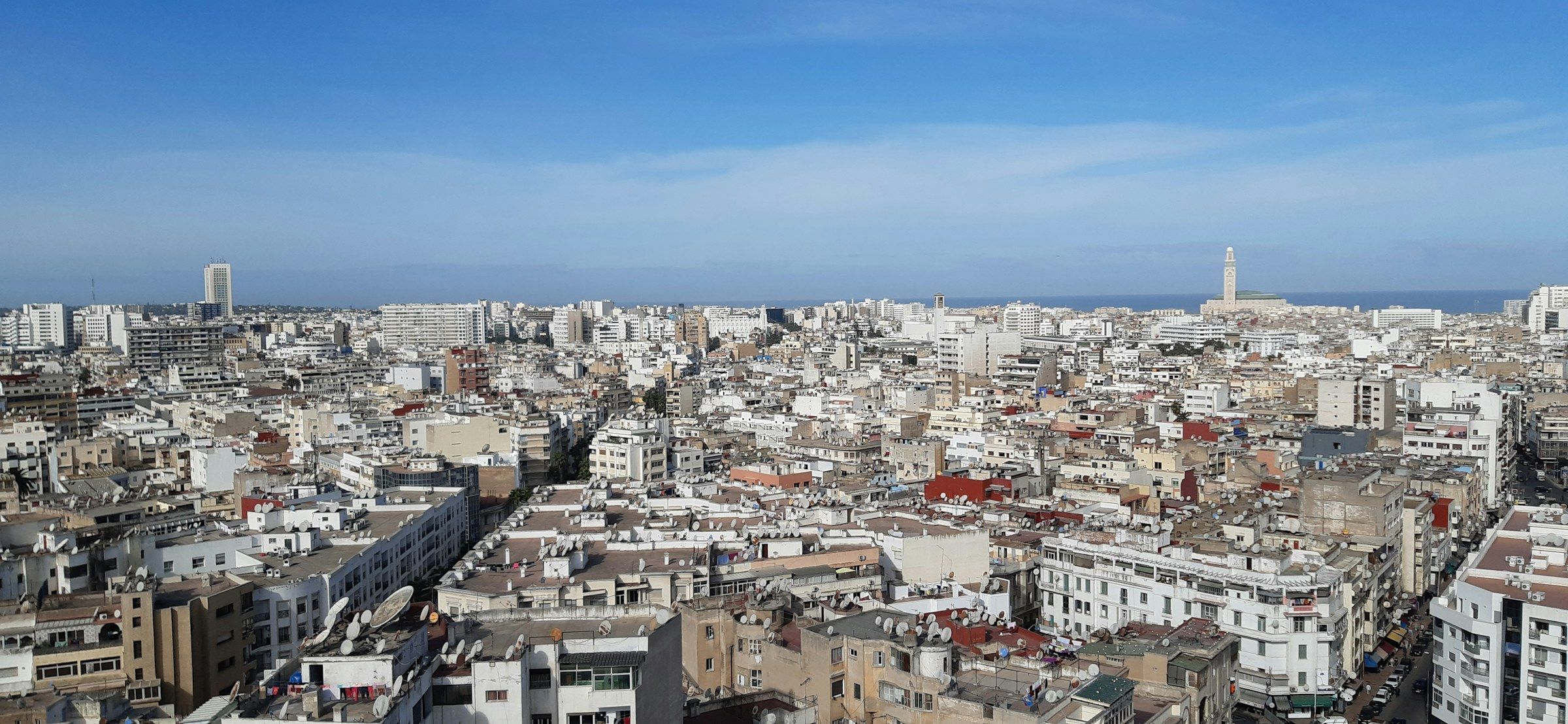
Launched in 2004, Morocco’s Cities Without Slums programme gathered clear momentum while Fatima Ezzahra El Mansouri was Minister of National Territory Planning, Urban Planning, Housing and City Policy. Between 2021 and 2026, 81,809 households were rehoused, about 409,000 people, and 62 cities have now been declared slum-free.
A national programme since 2004
Since its launch in 2004, the Cities Without Slums programme has pursued a goal that is simple to state and demanding to reach: giving families who live in slums access to decent housing. In total, 384,818 households have benefited since 2004.
Behind the programme lies a conviction about dignity that goes beyond bricks and mortar, which she expressed early in her term:
“We can no longer be content with offering only basic infrastructure because, today, citizens’ dignity is not only a matter of a road or street lighting.”
Fatima Ezzahra El Mansouri, interview with Médias24, 3 March 2022 (translated from French)
Appointed minister on 7 October 2021, Fatima Ezzahra El Mansouri made the programme a central part of her work: in the ministry record presented during the 2026 campaign, it heads the list of six main areas. The programme moves forward city by city and urban centre by urban centre. In 2025-2026, 62 cities and urban centres had been declared slum-free.
A pace nearly tripled since 2021
The most visible change is the pace. Over 2018-2021, about 6,200 households were handled each year. Since 2021, the average has been about 18,000 households a year: the pace has nearly tripled.
Over the whole term, 81,809 households were rehoused, about 409,000 people, according to the record presented during the 2026 campaign. In June 2026, the magazine La Vie éco reported more than 81,000 households whose housing had improved during the term. Behind these figures are families leaving precarious shelters for decent homes. To sustain this pace, the ministry relied on more precise monitoring tools and a stronger partnership with the private sector.
New tools for better targeting
Speed is not enough: aid must also reach the families who are entitled to it. The ministry therefore adopted new tools:
- drone monitoring of sites, linked to a geographic information system (GIS), since 2022;
- a national register of beneficiaries, since 2023, so that each household is identified once and only once.
These tools give a more accurate picture on the ground, make it possible to follow each site over time and make the identification of eligible families more reliable, which is a condition for a fair programme. Digital tools play the same role in direct housing aid, which is managed entirely online, from application to payment.
2024-2028: 120,000 households, with the private sector
The 2024-2028 five-year programme, run with the Interior Ministry, targets 120,000 households. It relies on partnership with the private sector, including calls for interest addressed to property developers, as in Greater Casablanca, the programme’s largest operation. Its main operations include:
- 62,000 households in Greater Casablanca;
- 30,000 in Marrakech;
- 12,000 in Kenitra;
- 5,000 in Larache.
This breakdown reflects the priority given to large urban areas, which account for most of the households targeted over the programme’s five years. For the families concerned, it offers a clear horizon: a five-year programme with defined targets, city by city.
Marrakech, at the heart of the effort
In Marrakech, the city she was elected to lead as mayor in 2009 and again in 2021, the 2021-2026 municipal record lists 5,658 households rehoused, 7,479 households covered by urban upgrading and renewal, and 1,838 households whose land tenure was regularised, alongside the continuing Cities Without Slums programme and work on buildings at risk of collapse. Rehousing 30,000 Marrakech households under the 2024-2028 programme, in partnership with the private sector, is among the priorities she set out during the 2026 campaign.
During that campaign, she summed up what drives this commitment:
“I am proud to be a voice for those waiting for decent housing, and for those calling for a fairer, better city.”
Fatima Ezzahra El Mansouri, from her campaign address, September 2026
The PAM’s 2027-2031 programme sets a national course: 500,000 households reaching decent housing over the five-year term. Cities Without Slums is part of that wider effort, alongside housing aid and the renewal of the old medinas, all presented in her ministerial record.
Sources
- TelQuel, “Cities Without Slums: the yearly average of rehoused households” (opens in a new tab)
- Médias24, “Cities Without Slums: yearly average of beneficiaries tripled” (opens in a new tab)
- Médias24, “Slums: interview with Fatima Ezzahra El Mansouri” (opens in a new tab)
- Médias24, “Interview with Fatima Ezzahra El Mansouri” (opens in a new tab)
- 2021-2026 record: cities without slums